

The Great Wildebeests Migration Explained (When & Where to Go) – 2026 Tanzania Safari Guide
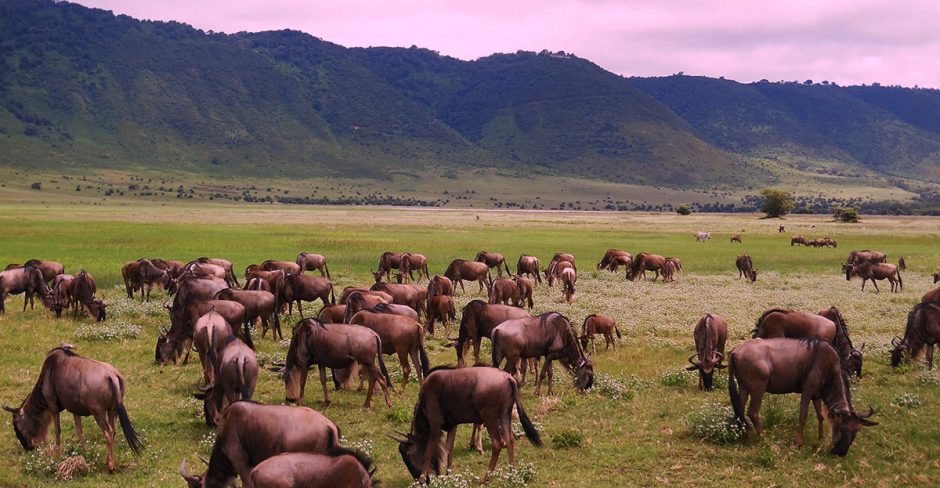
The Great Wildebeests Migration is one of nature’s most spectacular events and a highlight of any Tanzania Safari. Every year, over 1.5 million wildebeests, accompanied by hundreds of thousands of zebras and gazelles, embark on a circular journey across the Serengeti-Mara ecosystem in search of fresh grass and water. Understanding the Great Wildebeests Migration – its timing, route, and best viewing locations – is essential when planning your 2026 Tanzania Safari. In this comprehensive guide, we explain the Wildebeests Migration in detail so you can decide exactly when and where to witness this awe-inspiring phenomenon during your Tanzania Safari adventure.
The Wildebeests Migration is not a single event but a continuous 800-kilometer cycle driven by rainfall and grazing needs. This epic journey makes the Serengeti one of the most dynamic wildlife destinations on earth and a must-see for anyone asking How Many Days Do You Need for a Tanzania Safari?. Whether you prefer luxury, mid-range, or budget options in the Luxury vs Mid-range vs Budget Safaris comparison, timing your trip around the Great Wildebeests Migration will dramatically enhance your experience.
What Is the Great Wildebeests Migration?
The Great Migration is the largest terrestrial mammal migration on the planet. It involves roughly 1.5 million wildebeests, 200,000 zebras, and 500,000 Thomson’s gazelles moving in a clockwise direction through Tanzania’s Serengeti National Park and Kenya’s Maasai Mara. The animals are constantly on the move, following the rains that trigger fresh grass growth. Predators such as lions, cheetahs, leopards, and crocodiles follow the herds, creating dramatic scenes of life and death that define the Wildebeests Migration.
This natural spectacle is one of the main reasons travelers choose the Parks in Northern Tanzania for their safari. During a well-timed Tanzania Safari, you can witness river crossings, calving seasons, and massive herds stretching to the horizon — moments that make the Great Migration unforgettable.
The Annual Cycle of the Great Wildebeests Migration
The Great Wildebeests Migration follows four main phases. Knowing these phases helps answer the question of when and where to go in 2026.
- Calving Season (January – March)
The Great Wildebeests Migration begins its most concentrated phase on the short-grass plains of the southern Serengeti. Over 500,000 calves are born within a few weeks, creating a sea of life. This is an excellent time for a Tanzania Safari focused on predator action, as lions, cheetahs, and hyenas take advantage of vulnerable newborns. The southern Serengeti offers some of the best viewing opportunities for the Great Migration during these months. - Northward Journey (April – June)
As the rains end, the herds move northwest toward the central and western Serengeti. During this phase of the Wildebeests Migration, the columns of animals can stretch for many kilometers. River crossings of the Grumeti River begin, although they are usually smaller than the famous Mara crossings. This period suits travelers who prefer greener landscapes and fewer crowds while still experiencing the movement of the Great Wildebeests Migration. - Mara River Crossings (July – October)
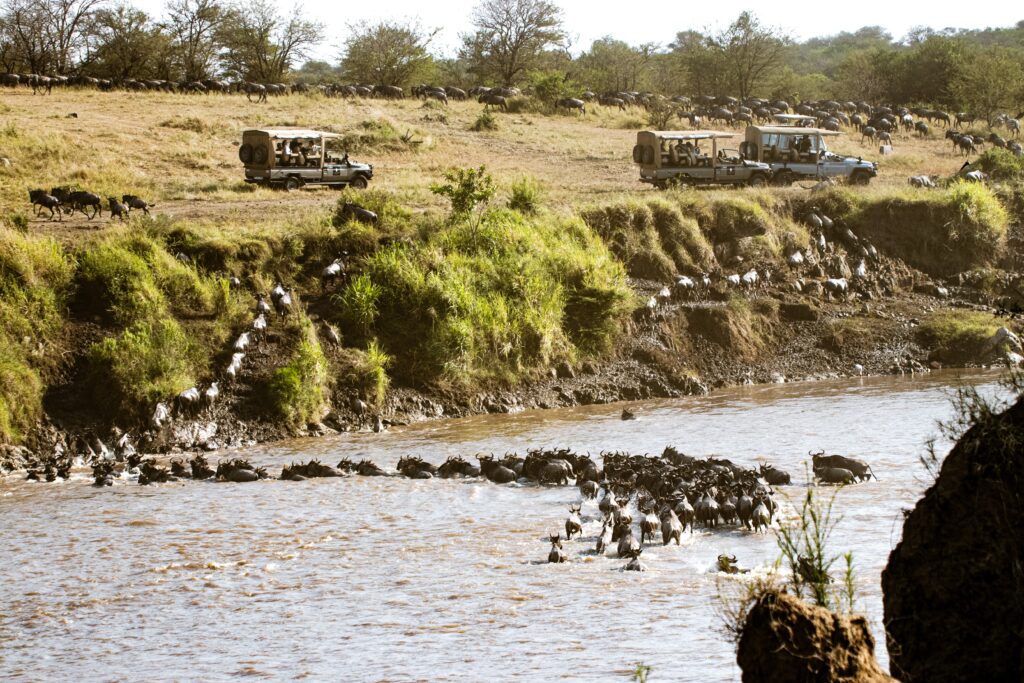
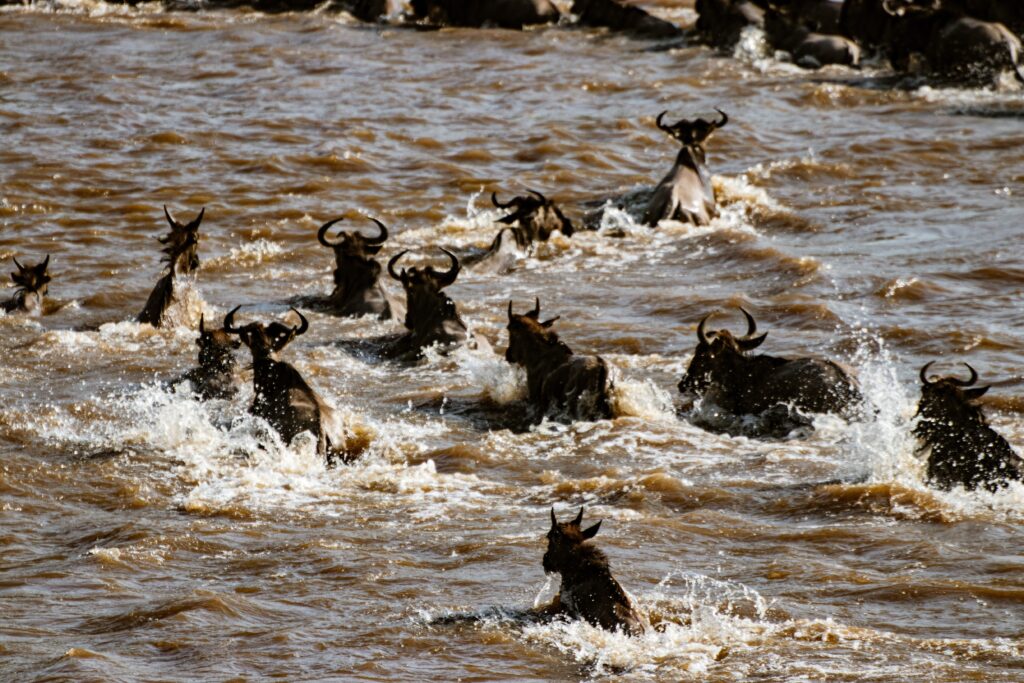
This is the most dramatic and popular phase of the Wildebeests Migration. The herds reach the northern Serengeti and attempt to cross the crocodile-infested Mara River into Kenya’s Maasai Mara. In 2026, experts predict peak crossing activity between late July and early September. Witnessing thousands of wildebeests plunging into the river while crocodiles strike creates heart-stopping moments that many consider the pinnacle of any Tanzania Safari. If your main goal is the Great Migration, this is when and where to go. - Return Southward (November – December)
After the rains return to the south, the herds begin their journey back to the Serengeti plains, completing the cycle of the Great Wildebeests Migration. This period offers good wildlife viewing with fewer visitors, making it attractive for those comparing Luxury vs Mid-range vs Budget Safaris who want better value.
Best Places to Witness the Great Wildebeests Migration in 2026
Choosing the right location within the Parks in Northern Tanzania is crucial for experiencing the Great Wildebeests Migration at its best:
- Southern Serengeti (January – March): Ideal for calving and predator action. Lodges in this area provide excellent access to the Great Migration during the birthing season.
- Central Serengeti (April – June): Good for viewing long columns of migrating herds and Grumeti River crossings.
- Northern Serengeti & Mara River Area (July – October): The prime zone for dramatic river crossings. Mobile camps and lodges positioned near the Mara River offer front-row seats to the Wildebeests Migration.
- Western Serengeti: Excellent for seeing the herds earlier in the season with fewer tourists.
Many operators now offer mobile tented camps that move with the Great Wildebeests Migration, allowing you to stay close to the action throughout your Tanzania Safari.
How Many Days Do You Need to See the Great Wildebeests Migration?
When planning around the Great Wildebeests Migration, most experts recommend at least 7–10 days in Serengeti alone. A full Tanzania Safari covering the Parks in Northern Tanzania usually requires 8–12 days to comfortably include prime migration viewing without feeling rushed. Shorter 5–6 day trips can still catch parts of the Great Wildebeests Migration but may limit your chances of seeing the most dramatic moments.
Luxury vs Mid-range vs Budget Safaris During the Migration
The Great Wildebeests Migration can be enjoyed at any comfort level:
- Budget Safaris use fixed lodges and shared vehicles, which still deliver great sightings but with less flexibility during peak months.
- Mid-range Safaris offer private vehicles and good tented camps near migration routes, providing excellent value.
- Luxury Safaris provide private guides, mobile camps that follow the herds, and exclusive access to less crowded sectors – the ultimate way to experience the Wildebeests Migration in comfort.
In 2026, new luxury mobile camps and upgraded mid-range properties make all categories more appealing for witnessing the Great Wildebeests Migration.
Practical Tips for Your 2026 Great Wildebeests Migration Safari
- Book early – especially for July to September, when demand for the Wildebeests Migration is highest.
- Consider shoulder months (late June or October) for good migration action with fewer crowds and better rates in Luxury vs Mid-range vs Budget Safaris.
- Pack binoculars, a good camera with zoom lens, neutral clothing, and rain gear for variable weather.
- Choose a reputable operator that practices responsible tourism and supports conservation of the Great Wildebeests Migration ecosystem.
Why Witnessing the Great Migration Matters
The Great Wildebeests Migration is more than a wildlife event — it is a powerful reminder of nature’s resilience and the importance of protecting the Parks in Northern Tanzania. By visiting responsibly, you contribute to anti-poaching efforts and community projects that ensure the Great Wildebeests Migration continues for future generations.
Ready to Experience the Great Wildebeests Migration?
Now that you understand the Great Wildebeests Migration — its timing, route, and best viewing spots — you are well prepared to plan an extraordinary 2026 Tanzania Safari. Whether you choose to focus on the calving season, the dramatic river crossings, or the full cycle, the Great Wildebeests Migration will be the highlight of your journey.
Book with Wakali Safari today for expertly crafted itineraries that position you at the right place at the right time to witness the Great Wildebeests Migration. Wakali Safari’s experienced team creates personalized Tanzania Safari packages across all budgets – from comfortable mid-range options to exclusive luxury experiences – ensuring you get the best possible view of this natural wonder.
Don’t miss the opportunity of a lifetime. Contact Wakali Safari now to secure your 2026 dates for the Great Wildebeests Migration and enjoy seamless planning, professional guides, and unforgettable memories in the Parks in Northern Tanzania. Let Wakali Safari help you experience the full drama and beauty of the Great Migration on your dream Tanzania Safari!