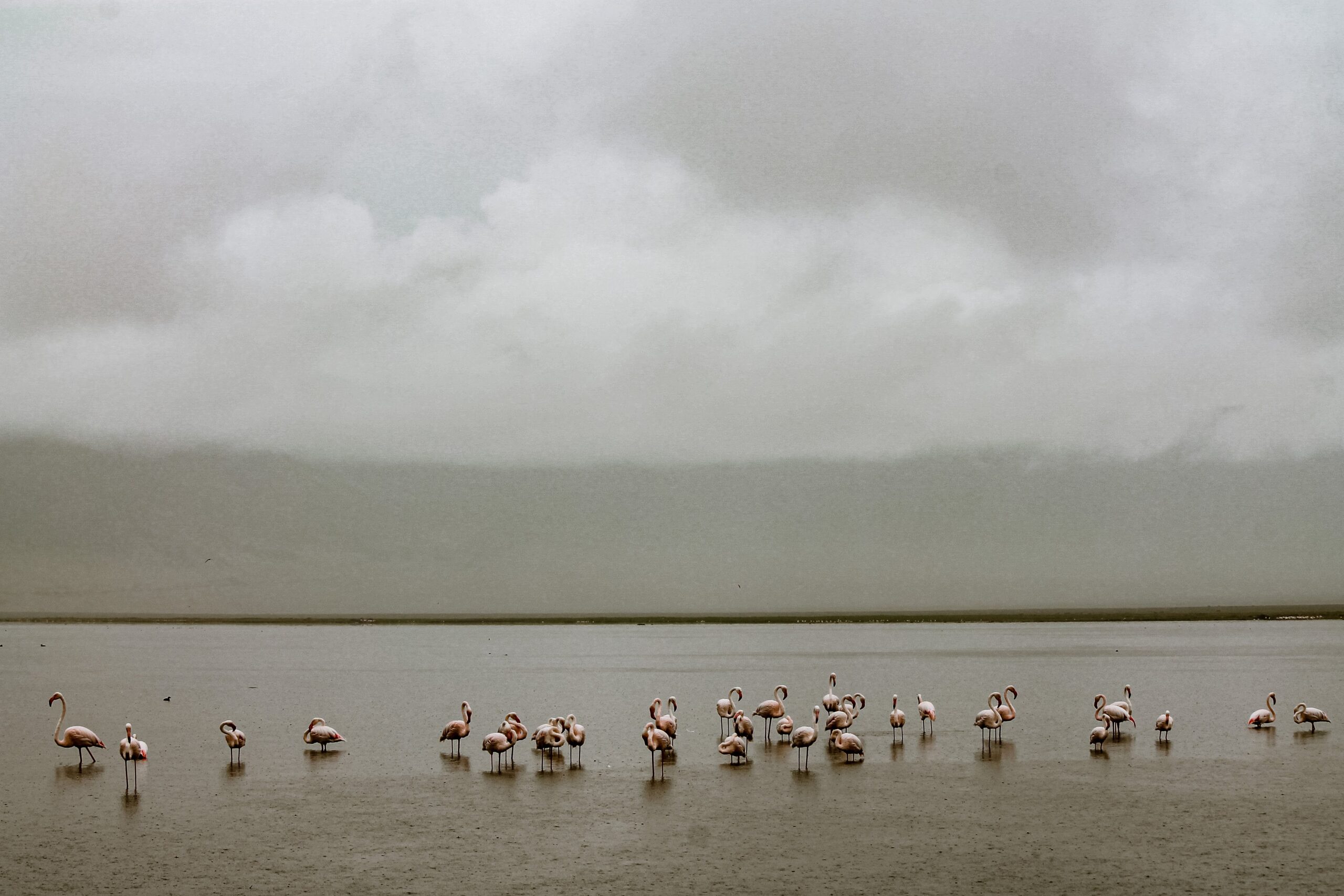
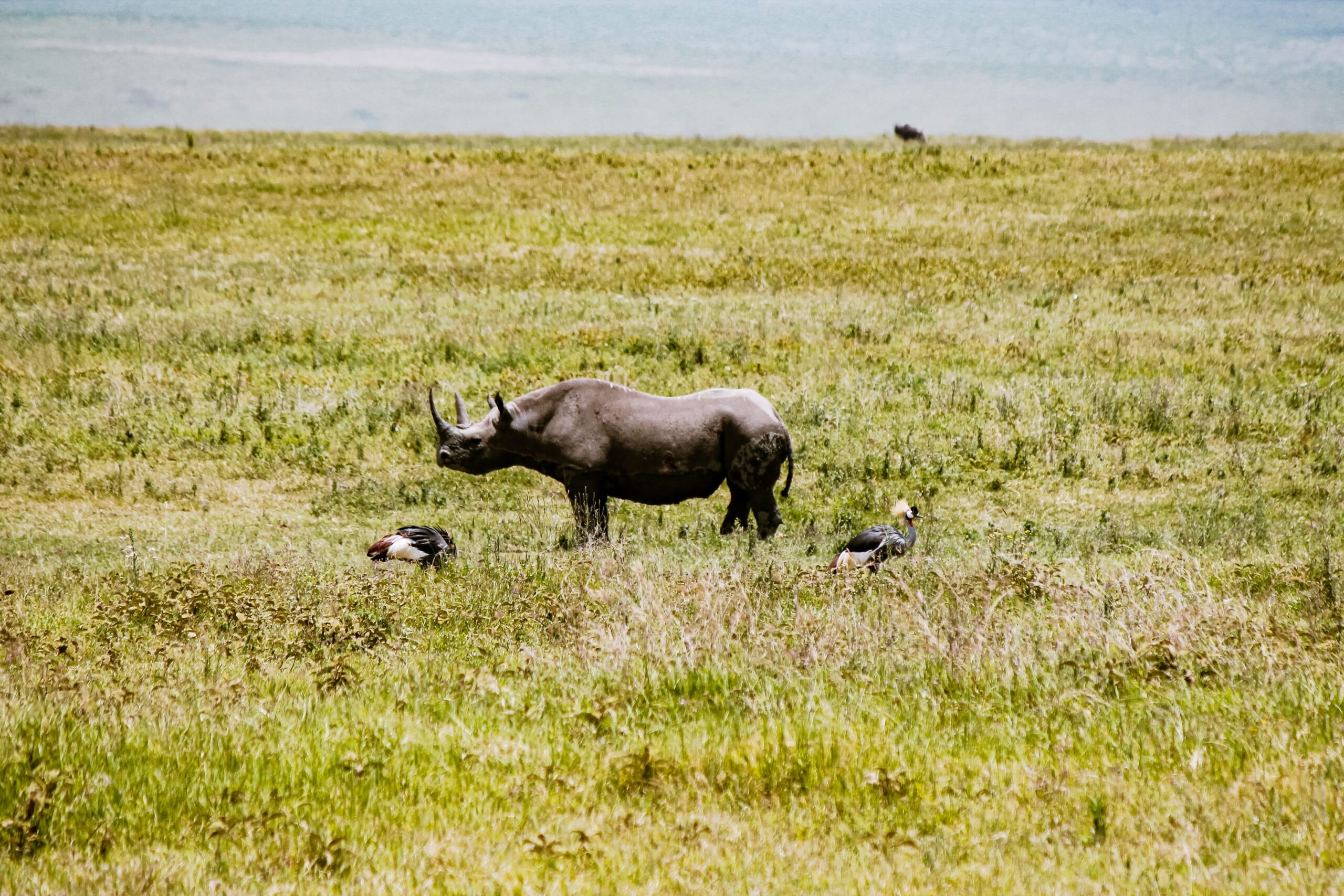
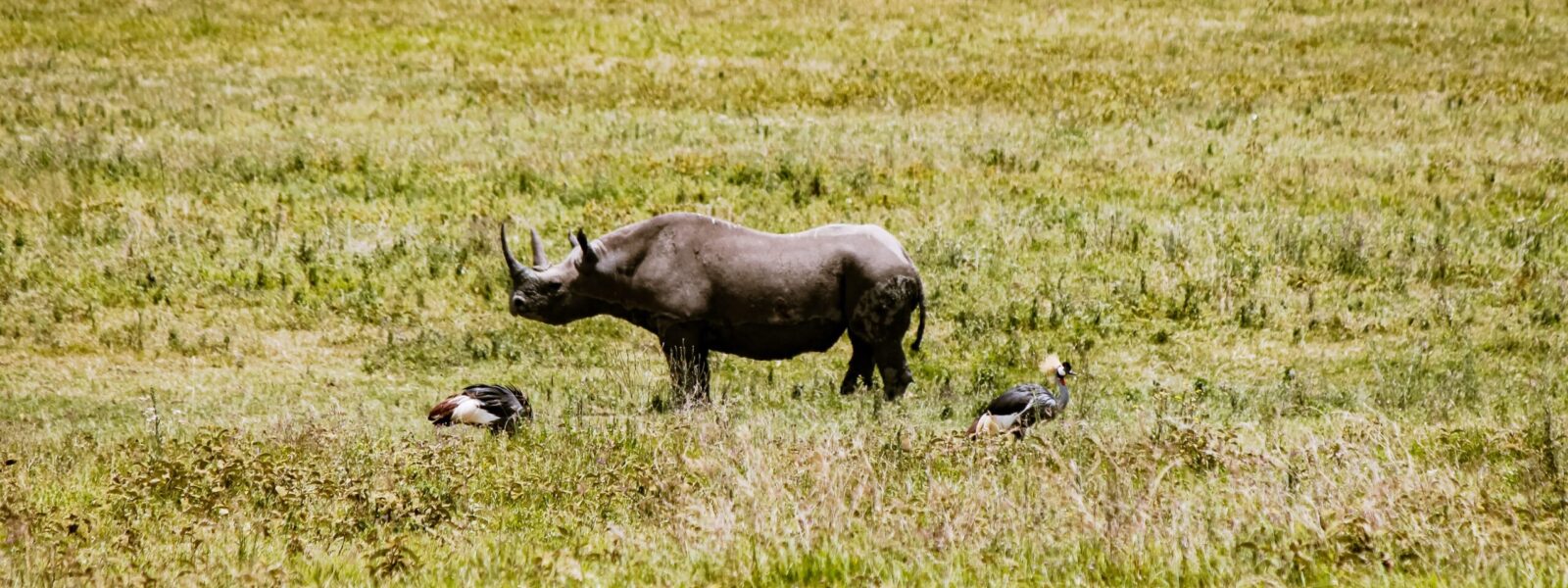
The Ngorongoro Crater is often called the "Eighth Wonder of the World," and for good reason. Formed two million years ago when a massive volcano collapsed, it is now the world’s largest intact volcanic caldera. This natural amphitheater creates a self-contained ecosystem where over 25,000 large mammals live in one of the most breathtaking landscapes on the planet. Highlights of the Crater Unrivaled Predator Density: Home to one of the highest concentrations of lions in Africa, alongside thriving populations of spotted hyenas and leopards. The Rare Black Rhino: This is one of the few places in East Africa where you are almost guaranteed to see the critically endangered black rhino in the wild. Maasai Cultural Heritage: The only place in Tanzania where man and beast coexist; you’ll see Maasai warriors grazing cattle alongside zebras and buffaloes on the outer highlands. The "Cradle of Mankind": Located within the conservation area is Olduvai Gorge, one of the world's most important paleoanthropological sites for human evolution.
Ngorongoro is a spectacular year-round destination. The dry season (June–October) offers easier wildlife spotting as animals gather at water sources, while the green season (November–May) features lush landscapes, wildflowers, and incredible birdwatching.
Can I see the "Big Five"?
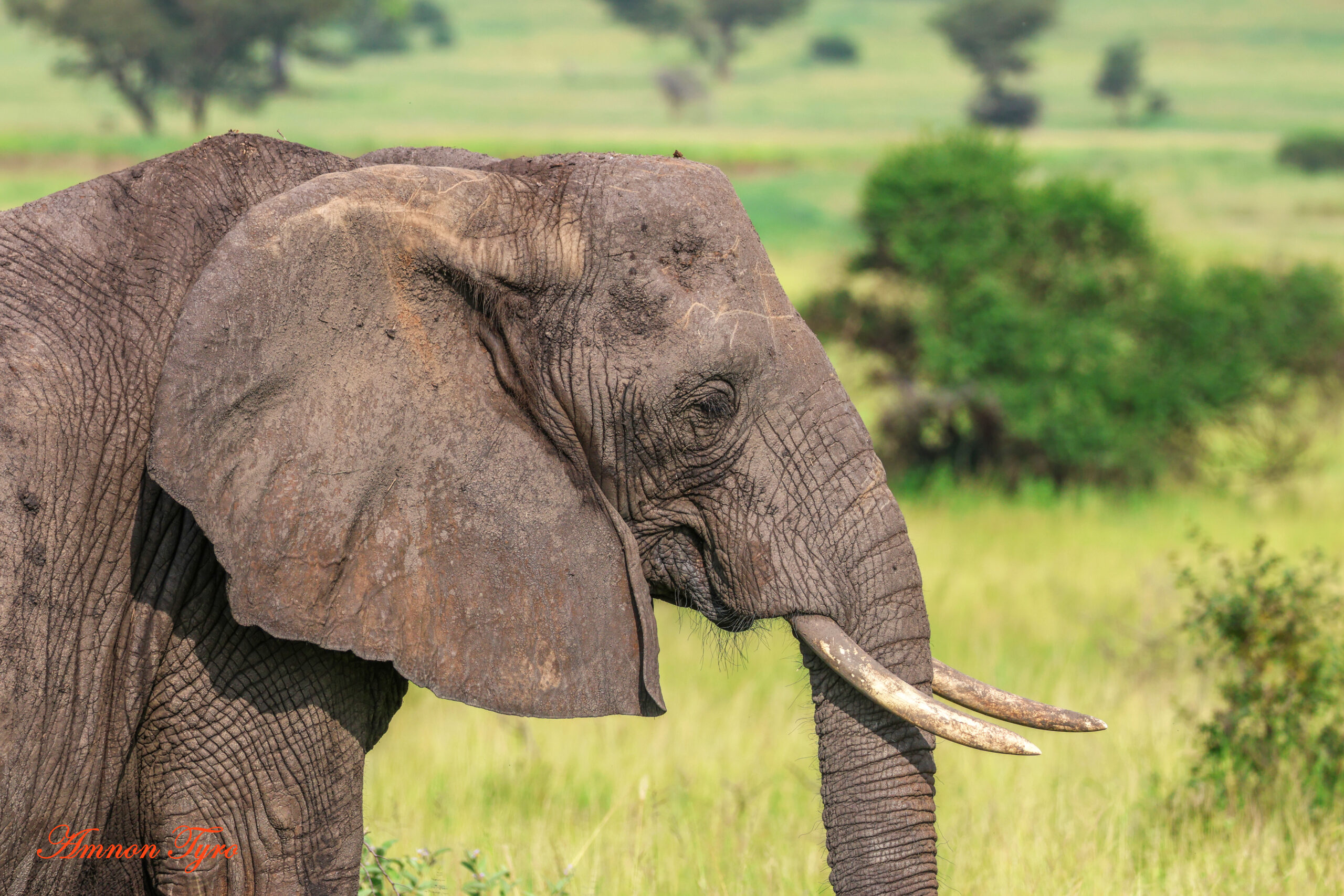
Yes. It is arguably the best place in Tanzania to see all of the Big Five (lion, leopard, elephant, buffalo, and rhino) in a single day due to the concentrated nature of the crater floor.
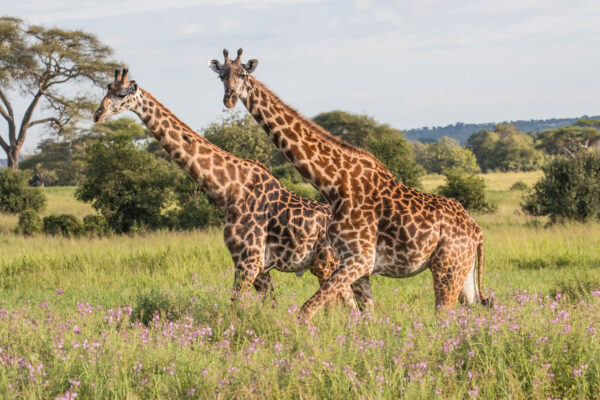
Why are there no giraffes in the crater?
It is a scenic 3–4 hour drive from Arusha. Many travelers include it as a stop between Lake Manyara and the Serengeti. You can also fly into the Manyara Airstrip and drive the remaining hour to the rim.
Is it cold at Ngorongoro?
Yes, surprisingly. While the crater floor is warm, the lodges sit on the rim at an altitude of about 2,300 meters. Evenings and early mornings can be very chilly, often dropping below 10°C, so bring a warm jacket.
Do I need a special vehicle?
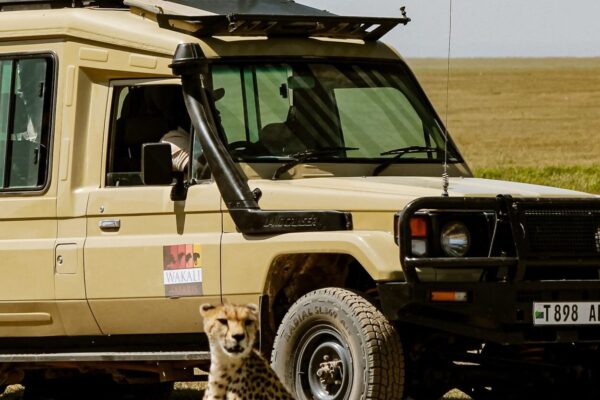
Yes. To descend onto the crater floor, you must use a 4x4 safari vehicle. The roads are steep and can be slippery, especially during the rains.
How much time should I spend here?
A single full-day game drive (6–7 hours) is usually enough to explore the crater floor. However, we recommend staying two nights on the rim to enjoy the sunrise and sunset views, which are among the most famous in Africa.